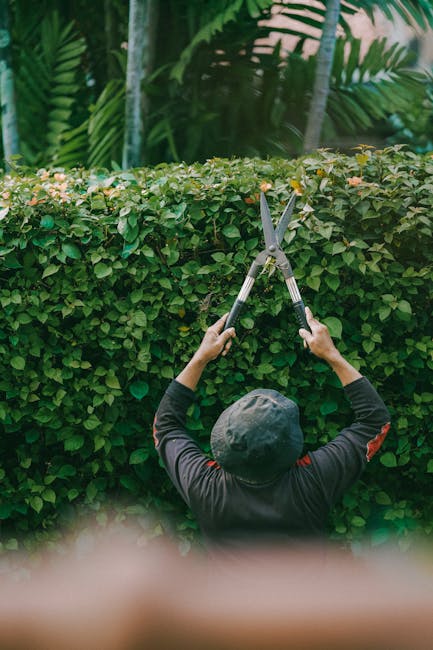
Lamorbey House Hedge Trimming Case Study by Gardeners
Lamorbey House hedge trimming case study by gardeners is a useful way to understand what good hedge care actually looks like on a lived-in, real garden site. Not the glossy-before-and-after fantasy version. The practical version. The one where hedges have grown unevenly, borders need protecting, access is a bit awkward, and the final result has to look neat from the house, the street, and the neighbour's side too.
In this article, we break down the process in plain English: why this kind of work matters, how a professional trimming job is planned, the benefits for appearance and plant health, and the common mistakes that can turn a straightforward hedge cut into an expensive headache. We'll also cover tools, best practice, and what a sensible homeowner or property manager should expect from a gardener. If you're considering a tidy-up for a formal garden, a boundary hedge, or simply trying to keep things under control, this will give you a grounded, expert view.
Why Lamorbey House hedge trimming case study by gardeners Matters
Let's face it: a hedge is never just a hedge. Around a property like Lamorbey House, hedge lines do several jobs at once. They frame views, define paths, soften hard edges, create privacy, and set the tone before a visitor even reaches the front door. If the line is ragged or the growth is unmanaged, the whole space can feel tired very quickly.
This is why a hedge trimming case study is valuable. It shows the difference between a quick cut and a careful horticultural approach. A good gardener doesn't only chase a straight line. They think about the plant species, the shape it wants to grow into, the light it receives, and whether the current season is right for a hard trim or a light tidy. In a formal setting, that judgement matters more than people think.
There is also a maintenance angle. Regular hedge trimming is usually easier, cleaner, and less stressful than letting a hedge run wild and then trying to rescue it later. Overgrown hedges can block light, crowd borders, and become harder to bring back into shape. Once a hedge has been neglected for a season or two, the fix can take longer than expected. Sometimes much longer.
If you want a broader sense of how hedge work fits into professional garden care, it helps to read about hedge trimming shapes and techniques as well as the wider garden maintenance approach used by experienced gardeners.
How Lamorbey House hedge trimming case study by gardeners Works
A solid hedge trimming job begins before the first cut. Good gardeners will usually start by assessing the hedge from several angles. They look at height, width, density, health, and any awkward points where growth has escaped the original form. They also check for nesting activity, dead wood, brittle areas, and whether the hedge has been pushing into fences, paths, or nearby planting.
From there, the work becomes a sequence rather than a single action. First comes the outline. Then the shaping. Then the fine detailing. And finally the tidy-up, which honestly can take as much care as the trimming itself. Anyone who has ever tried to clear clippings from a gravel drive knows that bit is never as quick as it sounds.
In a place like Lamorbey House, the work may also need to respect formal sightlines and the property's character. That often means creating crisp vertical sides, a flatter top, and a finish that looks deliberate rather than hacked back. If the hedge is mixed species, or if there are older woody sections, the gardener may trim in stages to avoid stressing the plant.
For a reader who wants to understand how style affects output, the article on horticultural craftsmanship and hedge forms is a useful companion piece.
Key Benefits and Practical Advantages
The most obvious benefit is visual. A clean hedge line immediately sharpens the whole garden. Paths look clearer, lawns look better kept, and the architecture of the space becomes easier to read. In a heritage-style or formal setting, that visual order can make a big difference.
But the practical benefits matter just as much:
- Healthier growth: careful trimming encourages denser, more controlled regrowth in suitable hedge types.
- Better light: reducing excess bulk helps light reach borders, lawns, and lower foliage.
- Safer access: trimmed hedges keep paths, gates, and driveways easier to use.
- Reduced wind drag: a properly shaped hedge can be less vulnerable in rough weather than a lopsided, top-heavy one.
- Lower long-term maintenance: regular intervention is usually less disruptive than repeated rescue work.
There is another benefit people overlook: confidence. When a hedge is under control, the entire garden feels easier to manage. You stop seeing it as "that big job" and start seeing it as part of a sensible routine. That shift matters. It makes the garden feel lived in, not merely surviving.
It also links neatly to wider garden resilience, especially if you're thinking ahead to harsher conditions. For seasonal preparation, see how to safeguard a garden as storms approach and winter plant longevity tips.
Who This Is For and When It Makes Sense
This kind of hedge trimming work is for anyone who wants a hedge to do its job properly without becoming a maintenance burden. That includes homeowners, landlords, property managers, and anyone looking after a formal or semi-formal garden in South East London.
It makes sense when:
- the hedge is getting too wide or too tall for the space
- the front line has lost its shape and needs re-establishing
- branches are rubbing fences, walls, or neighbouring plants
- the hedge is blocking light into a lawn or border
- you need a neat presentation ahead of an event, sale, or inspection
- the hedge has become too uneven to tackle with a casual weekend trim
It may also be the right time if you are already planning a broader refresh. A hedge job often sits alongside ivy removal, turf care, bed re-edging, or even full garden clean-up. If that sounds familiar, the wider gardening services offering and the more specific hedge trimming Lamorbey page are both worth a look.
And if you're thinking, "Do I really need a professional for this?", fair question. Not every hedge needs specialist treatment. But formal hedges, taller boundaries, or mature growth usually benefit from a steadier hand. Especially where presentation matters.
Step-by-Step Guidance
Here is the basic workflow a good gardener would follow for a hedge trimming project like this. Not every site needs every step, but the sequence gives you a realistic idea of how professionals think.
- Inspect the hedge carefully. Check the species, density, shape, and condition. Look for weak spots, dead sections, and any nesting or wildlife concerns.
- Decide the target shape. Most hedges do best with slightly tapered sides so the base receives light and doesn't thin out.
- Set the line. Use visual markers or a practiced eye to keep top edges level and sides balanced.
- Trim in stages. Remove the bulk first, then refine the profile. On mature hedges, this avoids overcutting.
- Check the result from distance. Step back. Then step back again. A hedge can look perfect from arm's length and oddly lopsided from ten metres away.
- Clear and dispose of waste. Clippings should be removed promptly so borders, lawns, and paths stay usable.
- Finish with a health check. If the hedge has exposed weak areas, note them for later shaping, feeding, or recovery work.
In practice, the difference between average and excellent often comes down to that final review. Anyone can cut a hedge. Not everyone can finish it so it still looks clean two weeks later.
Expert Tips for Better Results
Here are some field-tested tips that make hedge trimming look sharper and last longer.
- Trim for the future shape, not just the current edge. A hedge should be guided, not bullied into submission.
- Keep the base slightly wider than the top. This simple profile helps light reach the lower branches.
- Avoid taking too much at once. If the hedge has run away, it may need staged reduction rather than one heavy cut.
- Work with the hedge species. Box, privet, yew, and laurel all respond differently. Treating them the same is a rookie move.
- Check the weather. Wet foliage, strong sun, or hard frost can all affect the quality of the finish.
- Use clippings as a clue. The thickness, colour, and texture of cut material can tell you whether the hedge is healthy or stressed.
There's also a comfort point here. A professional gardener knows when to stop. That sounds simple, but in hedge work it's huge. Over-trimming is often the point where tidy becomes tired. One pass too many, and suddenly the shape looks flat and a bit sorry for itself.
If you want to improve the overall resilience of the planting around a hedge, you might also find useful ideas in organic waste and rich soil building and the practical advice in weed control strategies.
Common Mistakes to Avoid
Hedge trimming mistakes are usually easy to explain and annoying to fix. The classic ones include:
- Cutting too hard into old wood: some hedges will not respond well to severe reduction once they're past a certain point.
- Creating a boxy top-heavy shape: this often shades the base and leaves the hedge sparse near ground level.
- Ignoring the far side: the visible side may look neat, while the back is growing into fences or paths.
- Using blunt or unsuitable tools: poor cuts tear foliage and leave a ragged finish.
- Trimming at the wrong time: timing matters more than people like to admit.
- Forgetting cleanup: it only takes one missed pile of clippings to make the whole garden feel unfinished.
There is also a judgment error that comes up a lot: trying to make every hedge ultra-perfect in one visit. Sometimes the best outcome is gradual refinement. A healthy hedge that looks neatly controlled is better than a stressed hedge that looks overworked. Simple, but easy to forget when you're keen to get it done.
Tools, Resources and Recommendations
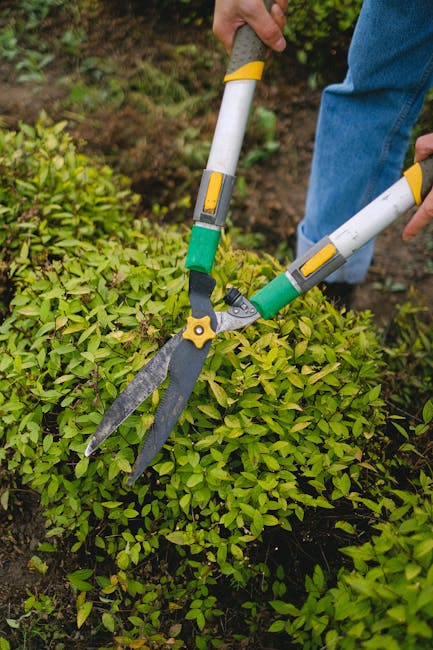
Good hedge trimming depends on having the right kit and using it sensibly. The exact tools depend on hedge height, density, and access, but the essentials usually include:
- hedge trimmers or long-reach trimmers
- secateurs for smaller corrective cuts
- loppers for thicker woody stems
- gloves and eye protection
- sturdy ladders or pole equipment where appropriate
- tarpaulins or collection sheets for quicker cleanup
- disposal bags or a trailer load plan for green waste
It also helps to know what kind of hedge you're dealing with before you start. Some plants respond best to light, regular shaping. Others need less frequent but more considered work. If you're building your own gardening knowledge, the essential tools guide is a sensible place to begin, and the article on fast-growing privacy hedges may help if screening is part of your goal.
For broader garden planning around shade and screening, evergreen climbers for shady spaces and wind protection ideas for gardens are useful supporting reads.
Law, Compliance, Standards, or Best Practice
With hedge work, compliance is mostly about care, access, safety, and common-sense good practice rather than anything dramatic. In the UK, gardeners should take reasonable steps to avoid damage to property, protect themselves and others on site, and consider wildlife where relevant. That means checking hedges before cutting, being cautious with nesting birds, and managing waste responsibly.
Health and safety also matters. Tools should be maintained properly, ladders used correctly, and work planned so clippings, cables, wet surfaces, or nearby pedestrians do not create avoidable risk. A reliable contractor will usually operate with documented safety procedures and insurance awareness. That's not fancy paperwork for the sake of it. It's what keeps a tidy job from becoming an awkward one.
For more detail on how a professional approach is expected to be handled, the site's health and safety policy and insurance and safety information are worth reviewing. If you are comparing contractors, it also makes sense to understand terms and conditions, payment and security, and the complaints procedure before booking work.
Options, Methods, or Comparison Table
Different hedge jobs call for different methods. Here's a practical comparison to help you understand what's usually involved.
| Method | Best for | Advantages | Trade-offs |
|---|---|---|---|
| Light regular trimming | Established hedges needing shape control | Encourages neat growth, less disruptive, easier to maintain | Needs consistency across the season |
| Restorative reduction | Overgrown hedges that have lost their line | Can bring structure back to a neglected hedge | May take more time and must be done carefully |
| Seasonal tidy-up | Hedges that only need a presentation cut | Quick visual improvement, minimal stress | Won't solve deeper shape problems |
| Selective hand work | Mixed or detailed hedges near paths and features | Precise, gentle, tailored finish | Slower than machine trimming |
If you are balancing hedge work against other garden tasks, it can help to look at the whole site. Sometimes the right answer is hedge trimming plus lawn care. Sometimes it's hedge work plus fencing repair. And sometimes, to be fair, it's just hedge trimming first so you can see what the garden actually looks like again.
Case Study or Real-World Example
Here's a realistic way a Lamorbey House-style hedge project might unfold.
A mature boundary hedge has become uneven after a period of growth through spring and early summer. One side is pushing out into a path, the top has lost its level line, and the base is starting to look tired because the upper growth is shading it. The property still looks cared for, but only just. It has that "almost on top of things" look that a lot of gardens get before a proper maintenance visit.
The gardeners arrive and begin with a full inspection. They note the hedge's structure, identify which sections need only light correction, and mark the places where a more careful reduction is needed. Rather than chopping everything to the same level, they work in layers. The strongest growth is reduced first. Then the outline is refined. Finally, the hedge is stepped back, cleaned, and checked from both the garden side and the outside boundary.
The result is not just neater. It is calmer. The path opens up. The light feels a bit better. The garden's bones become visible again, which is exactly what good hedge work should do. Not scream for attention. Just quietly make the place feel right.
If the site also has ivy, ground cover, or small beds crowding the hedge line, that can be folded into a wider maintenance plan. For instance, pairing hedge work with complete ivy removal, ground cover choices, or even a fresh garden makeover plan can make the outcome feel much more complete.
Practical Checklist
Before any hedge trimming visit, a quick checklist keeps everyone on the same page:
- Confirm the hedge type and general condition
- Decide whether the goal is shaping, reduction, or a light tidy
- Check for nesting birds or sensitive wildlife signs
- Clear access to gates, paths, and work areas
- Protect nearby borders, turf, and hard landscaping where needed
- Agree how clippings will be collected and removed
- Review any safety concerns such as slopes, walls, or overhead obstacles
- Check whether the hedge is part of a wider maintenance visit
- Make sure the final finish will suit the property style
- Schedule follow-up care if the hedge has been heavily reduced
That may sound basic, but basics save time. And frankly, they save money too.
Conclusion
A Lamorbey House hedge trimming case study by gardeners is really a lesson in restraint, shape, and proper judgement. The best hedge work does not just remove growth. It restores order, protects plant health, and makes the whole garden feel easier to live with. That is the quiet value people pay for, even if they only ask for "a tidy-up" at first.
If you are planning hedge work of your own, think about the long game. Regular trimming is easier than rescue work. The right shape is better than the fastest cut. And a gardener who understands how the hedge fits the rest of the property will usually deliver a better finish than someone simply chasing straight lines with a machine. Truth be told, that difference shows up pretty quickly.
Get a free quote today and see how much you can save.
For more about the team behind the work, you can also explore the about us page and the wider gardening services information. A well-kept hedge has a way of changing the feel of an entire garden, and sometimes that's all the encouragement a place needs.
Frequently Asked Questions
What does a hedge trimming case study actually show?
It shows the practical process behind a real trimming job: assessment, shaping, cleanup, and the reasoning behind each step. That helps you understand what professional hedge care looks like beyond the finished photo.
Why is Lamorbey House hedge trimming worth studying?
Because formal or prominent properties need more than a quick cut. The shape, finish, and timing all matter, especially where appearance and long-term hedge health both count.
How often should a hedge be trimmed?
It depends on species, growth rate, and the look you want. Some hedges need several light trims through the year, while others do better with fewer, more considered cuts.
Can a hedge be cut back hard if it has become overgrown?
Sometimes, but not always. Mature hedges can react badly to severe reduction, so it's best to assess the species and condition before making that call.
What is the best shape for a healthy hedge?
A slightly tapered shape is usually best, with the base a little wider than the top. That allows light to reach the lower growth and helps avoid thinning at ground level.
What tools do professional gardeners use for hedge trimming?
Typically hedge trimmers, secateurs, loppers, protective gear, and cleanup equipment. For taller or more detailed work, long-reach tools may also be used.
Is hedge trimming bad for wildlife?
It can be if carried out carelessly. Gardeners should check for nesting birds and avoid disturbing wildlife where there may be active nesting or sheltering.
What should I ask before booking hedge trimming work?
Ask about the trimming method, waste removal, safety procedures, and whether the hedge needs staged work. It's also sensible to ask how the finish will be maintained after the visit.
How does hedge trimming fit into general garden maintenance?
It often sits alongside mowing, edging, pruning, weed control, and seasonal tidy work. A hedge is usually one part of a much bigger garden picture.
Can hedge trimming improve privacy?
Yes, if the hedge is maintained well and allowed to grow into a dense structure. Over-trimming or poor shaping can do the opposite, so balance matters.
What happens to the hedge clippings?
They are usually collected and removed as green waste. In some gardens, suitable clippings may be composted if they are clean and appropriate for reuse.
When is the best time to request hedge trimming?
Usually when growth is active but before the hedge has become difficult to control. Seasonal timing depends on the plant type, so a brief assessment before work starts is the safest route.