Gardeners for Bexley Village terraces and small yards: smart ideas, tidy results, and less hassle
If you live in Bexley Village and your outdoor space is more terrace than lawn, you already know the game is different. A small yard can be lovely, but it can also feel awkward, exposed, shady in the wrong places, or just plain difficult to keep neat. That is where Gardeners for Bexley Village terraces and small yards come in: practical help tailored to compact spaces, awkward corners, and the kind of everyday upkeep that can quietly get on top of you.
This guide explains what specialist gardening support can do, how the process usually works, which improvements make the biggest difference, and how to avoid the common traps that make small gardens feel even smaller. You will also find a clear checklist, a simple comparison table, and a few real-world observations from the kind of spaces people actually live with. Not picture-perfect show gardens. Real ones. The sort with a broom in the corner and a wheelie bin somewhere annoying.
In a terrace or small yard, every centimetre matters. So the trick is not to cram more in. It is to make better choices.
Contents
- Why gardeners for Bexley Village terraces and small yards matters
- How the service works in a compact garden
- Key benefits and practical advantages
- Who this is for and when it makes sense
- Step-by-step guidance
- Expert tips for better results
- Common mistakes to avoid
- Tools, resources and recommendations
- Law, compliance, standards, and best practice
- Options, methods, and comparison table
- Case study or real-world example
- Practical checklist
- Conclusion
- Frequently asked questions
Why gardeners for Bexley Village terraces and small yards matters
Small outdoor spaces need a different mindset. A terrace garden can look elegant, but only if the layout, planting, and maintenance suit the footprint. The usual big-garden habits do not always translate well. A wide border that looks generous on paper may swallow the whole yard. A thirsty lawn can become patchy and disappointing. A bulky shrub can block light that you desperately need.
That is why working with gardeners who understand compact London gardens is so valuable. They know how to create room to breathe, even when the actual square footage is limited. They also understand that a small yard often has to do several jobs at once: somewhere to sit, somewhere to grow herbs, somewhere for children or a dog, and somewhere that does not look tired every Friday afternoon.
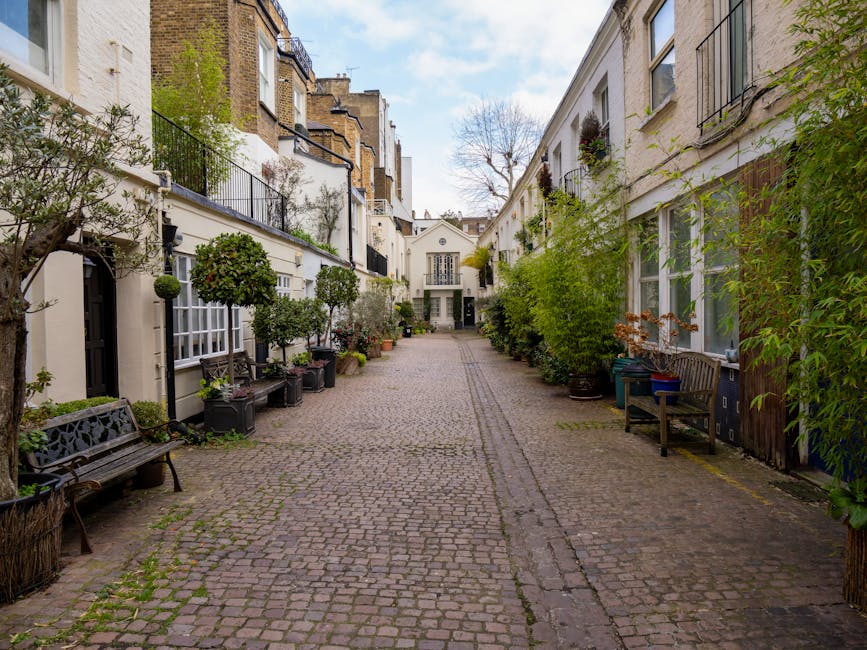
In Bexley Village, terraces and smaller back gardens often face a mix of practical constraints. Narrow access, neighbouring walls, shade from nearby buildings, and a strong need for privacy are all common. Add in seasonal changes, leaf fall, and the occasional windy spell, and the garden can quickly become a chore rather than a comfort. A good gardener makes it feel manageable again.
Expert summary: In a small yard, the best garden design is rarely the one with the most features. It is the one that uses light, shape, storage, planting, and maintenance in the most disciplined way possible.
There is also a value angle that people sometimes miss. A well-kept terrace garden often improves the feel of the whole home. You notice it first on a dull morning when the back door opens and the space looks calm instead of cluttered. That matters more than people admit.
How gardeners for Bexley Village terraces and small yards works
The process usually starts with a site visit or a detailed conversation. For compact gardens, the first job is not planting. It is diagnosis. What is the garden doing now? Where does the sun land through the day? Which bits stay damp? Which areas are windy, overlooked, or underused?
From there, a plan can be shaped around the space itself. That might include pruning back overgrown plants, reducing visual clutter, reshaping paths, improving access, or replacing high-maintenance features with more reliable ones. A small garden rewards clarity. Every extra item has to earn its place.
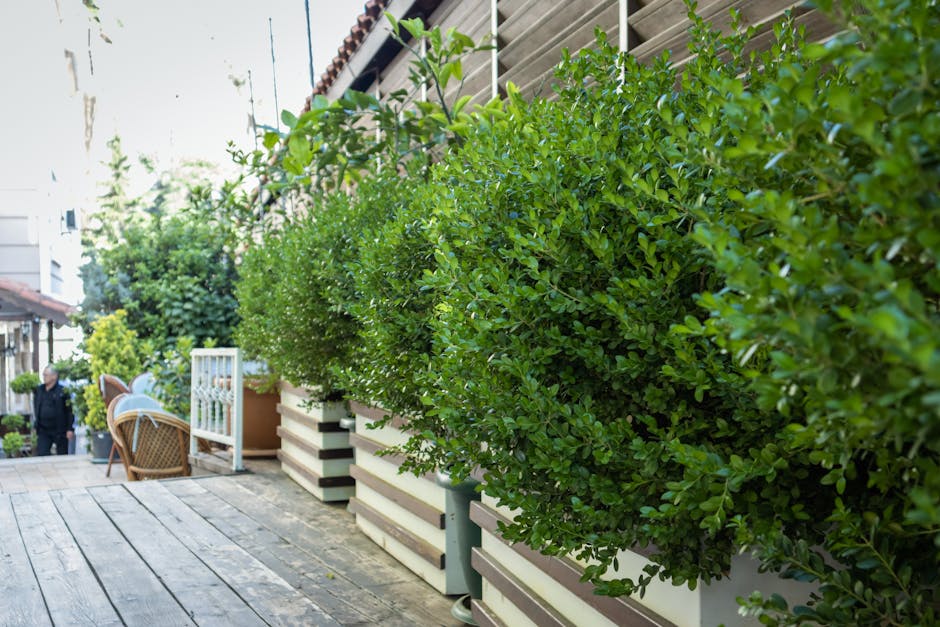
Good gardeners also think in layers. In a tiny yard, the floor, walls, and vertical plane all matter. Ground-level planting, wall-trained climbers, containers, and narrow furniture can work together if the layout is planned properly. This is where vertical planting ideas and container-led design can transform a cramped yard into something that feels purposeful rather than squeezed.
Maintenance is the other half of the process. A tidy one-off makeover can look excellent for a week. Ongoing care is what keeps it looking good. That may include regular weeding, deadheading, hedge work, lawn care if there is a lawn, and seasonal refreshes so the garden does not drift back into chaos by July. It happens faster than you think.
For many homeowners, the most useful arrangement is a mix of planned improvements and routine upkeep. That is especially true where time is tight. If you have a busy week, a small yard can go from charming to scruffy very quickly. No drama, just reality.
Key benefits and practical advantages
There are obvious benefits, and then there are the quiet ones that only become obvious once the work is done. Here is the useful breakdown.
- Better use of limited space: compact gardens need shape and structure, not random planting.
- Less visual clutter: removing excess growth, awkward items, and tired features instantly calms the space.
- Lower maintenance pressure: choosing the right plants and finishes reduces weekly effort.
- Improved privacy: screening, hedging, and climbers can soften the view from nearby homes.
- More usable seating space: even a tiny yard can hold a chair, bench, or breakfast table if it is planned well.
- Healthier plants: better soil, better spacing, and smarter watering usually mean stronger growth.
- Year-round appeal: structure, evergreen planting, and seasonal layering keep the garden presentable in every month.
There is also a psychological benefit, if we are being honest. A neat little garden feels like one less thing competing for your attention. You open the back door and the space says, "all right, we are under control." That matters on a wet Tuesday in March just as much as it does on a bright Saturday in June.
If your aim is a low-fuss result, it is worth reading about low-maintenance garden ideas and ground cover choices that suppress weeds and reduce bare patches. In small yards, these choices can save a surprising amount of time.
Who this is for and when it makes sense
This kind of gardening support is ideal if you live in a terrace, flat with a private yard, compact family home, or a house where the rear garden is narrow and overlooked. It also makes sense if you simply do not want to spend your weekends battling weeds, trimming edges, and guessing what the plants need. Who does, really?
You may especially benefit if:
- your garden looks smaller than it should because of clutter or overgrowth
- you need privacy from neighbouring windows or adjacent gardens
- the space is shady, windy, or difficult to keep alive
- you want a cleaner patio or paved area with planting around the edges
- you prefer a garden that is neat, practical, and not too demanding
- you are preparing a property for sale or rental and need the outside to look cared for
It also makes sense at certain times of year. Spring is a natural reset point. Early autumn is another sensible moment because the garden can be tidied, reshaped, and prepared before the wetter months arrive. In winter, the focus often shifts to structure, protection, and pruning rather than growth. If you are planning ahead, it helps to look at winter plant care so your compact garden does not lose momentum when the cold bites.
And if you have dogs, children, or both, the design choices need a bit more thought. Safe surfaces, sturdy plants, sensible access, and clear boundaries matter more than fancy features. A garden should fit life, not the other way round.
Step-by-step guidance
A compact garden makeover works best when you treat it like a sequence, not a scramble. Here is the practical route.
- Assess the space properly. Measure the usable area, note shade patterns, inspect drainage, and make a quick list of what frustrates you most.
- Clear and simplify. Remove dead pots, broken furniture, invasive growth, and anything that blocks access or light.
- Decide the function. Is the yard mainly for sitting, planting, pets, or a bit of all three? Small gardens work better with one clear priority.
- Protect the structure. Tidy fencing, walls, paving, edging, and drains before adding new planting. The bones of the garden matter.
- Choose a compact planting strategy. Use container groups, narrow borders, climbers, and a few focal plants instead of too many competing features.
- Build vertical interest. Trellises, climbers, hanging planters, and wall-mounted features create depth without eating floor space.
- Use hard landscaping carefully. One patio area, one path, and one seating zone is often enough. More can make the yard feel chopped up.
- Finish with a maintenance plan. Set a simple routine for watering, feeding, trimming, and seasonal checks.
If ivy is taking over a wall or fence, deal with it early rather than leaving it until the roots have a mind of their own. There is a useful guide on removing ivy properly, and in a tight space that kind of work can make an immediate difference to light and control.
For homes where access is awkward, it often helps to plan the work in small phases. One visit for clearance and pruning. Another for layout and planting. Another for final dressing and clean-up. That is slower than one giant overhaul, but to be fair, it usually produces a better result and less stress.
Expert tips for better results
The quickest way to improve a small garden is not always to add something. Sometimes it is to remove or narrow what is already there. A compact yard benefits from restraint. Here are a few habits that consistently help.
- Keep a tight plant palette. A few repeated species look calmer than a jumble of one-off purchases.
- Use repetition for order. Two or three matching pots often look better than seven different ones.
- Let one feature lead. Perhaps it is a small tree, a bench, or a planting wall. Do not let everything shout.
- Think about sightlines. From the back door, what do you see first? That view does a lot of heavy lifting.
- Choose plants for the conditions you actually have. Sun-lovers in shade usually sulk. Simple as that.
- Use soil improvement strategically. A small amount of well-made compost in the right places can outperform a lot of random feeding.
One of the best local tricks for narrow spaces is to create a clean "pause point" where the eye can rest. That could be a small paved square, a bench, or a gravel patch with a feature pot. If every inch is packed, the garden feels busy rather than inviting. A tiny bit of empty space can be a feature, not a waste.
If you want the garden to feel greener without constant fuss, consider herbs, shade-tolerant evergreens, and low-growing cover. A few well-chosen plants can do more for atmosphere than a long shopping list. For edible options, herb gardening is especially useful because it adds scent, texture, and practicality in one go.
And yes, pots are your friend. Good pots. Not the wobbling, cracked ones from the back of the shed that nobody wants to admit are past it.
Common mistakes to avoid
Small gardens magnify mistakes. A design choice that is merely a bit off in a larger garden can feel genuinely annoying in a terrace yard. These are the usual culprits.
- Overplanting: too many plants create congestion, poor airflow, and more maintenance.
- Choosing oversized furniture: a bench that is lovely in a showroom can bully a small yard into submission.
- Ignoring drainage: standing water around paving or pots causes problems that are expensive to fix later.
- Using too many materials: mixing lots of paving styles, colours, and edging treatments can make the space look fragmented.
- Forgetting winter structure: a garden with only summer colour often looks flat for half the year.
- Letting climbers run wild: beautiful in theory, chaotic in practice if not trained and trimmed.
- Neglecting upkeep after the makeover: a tidy result is only valuable if it stays tidy.
Another common issue is trying to copy a large-garden design in miniature. That rarely works. A cottage-style border that looks relaxed on a bigger plot may feel messy in a yard the size of a breakfast table. Better to scale down the idea and keep the rhythm clear.
Also, do not ignore the effect of wind and shade. Many small London gardens are surprisingly exposed. For that reason, it is sensible to think about wind protection and sheltered planting. There is some useful context in wind reduction ideas for gardens and evergreen climbers for shady spots.
Tools, resources and recommendations
You do not need a mountain of gear for a small yard, but the right tools make a big difference. A compact garden is often maintained more efficiently when the toolset is practical rather than fancy.
| Need | Useful approach | Why it helps in a small garden |
|---|---|---|
| General upkeep | Hand tools, secateurs, compact rake, watering can | Easier to move around narrow spaces and awkward corners |
| Planting flexibility | Containers, saucers, small trellis systems | Lets you shift layout without reworking the whole yard |
| Weed control | Mulch, ground cover, regular hoeing | Stops a minor weed problem becoming a weekly battle |
| Privacy | Climbers, hedging, screening plants | Softens overlooked boundaries without taking much room |
| Year-round shape | Evergreens, structure plants, permanent edging | Keeps the garden looking intentional even when flowers fade |
If you are starting from scratch, a broad foundation of good habits helps. The practical advice in basic gardening strategies for beginners is worth reviewing before you commit to a layout, because a little planning now saves a lot of awkward rework later.
You may also find it useful to think in terms of maintenance services rather than one big seasonal intervention. Regular garden maintenance, targeted lawn care if you have a small lawn, and periodic patio cleaning can keep the space bright and usable with less effort.
If privacy or boundary control is an issue, related services such as fencing and hedge trimming in Lamorbey can support the overall design. Not every solution has to be a plant, after all.
Law, compliance, standards, and best practice
For most terrace and small-yard garden work, the main concerns are safety, access, responsible waste handling, and doing the job in a way that respects neighbouring properties. Exact requirements can vary, but good practice is fairly consistent across the UK.
Examples of sensible standards include:
- working safely with tools and protective equipment
- keeping paths, steps, and work areas clear while work is underway
- disposing of green waste responsibly rather than leaving it piled up
- being careful around fences, shared boundaries, and overhanging growth
- avoiding unnecessary disturbance to neighbouring gardens or access routes
Insurance and clear procedures matter too, especially when any work involves ladders, cutting equipment, or the removal of heavy waste. If you are comparing providers, it is reasonable to ask about their approach to safety and cover. A reputable gardener should be able to explain this plainly. No fuss, no jargon.
It is also sensible to check how a company handles payments, terms, complaints, and privacy. Those things may feel administrative, but they tell you a lot about how the business operates. For reference, useful pages to review include insurance and safety, health and safety policy, terms and conditions, payment and security, and privacy policy.
For greener routines, many gardeners also like to compost or reuse green waste where appropriate. Turning clippings and organic debris into richer soil is a simple habit with long-term value. There is a nice practical explanation in organic waste and rich soil.
Options, methods, and comparison table
If you are deciding how to improve a small yard, there are usually three broad routes: basic tidy-up, partial redesign, or full transformation. Each has its place.
| Approach | Best for | Pros | Trade-offs |
|---|---|---|---|
| Routine tidy-up | Gardens that are mostly fine but untidy | Quick, affordable, low disruption | Does not solve deeper layout issues |
| Partial redesign | Spaces with a weak layout or tired planting | Good balance of improvement and cost control | Needs more planning and a clearer brief |
| Full makeover | Gardens with severe clutter, poor structure, or no real plan | Can completely change how the space feels | More time, more decisions, more moving parts |
For many Bexley Village terraces, a partial redesign is the sweet spot. The space usually does not need everything stripped out. It needs the right things kept, the wrong things removed, and the planting tightened up. That middle path often gives the best return.
If you are unsure where to start, a step-by-step makeover approach can help you think clearly about the order of work. The garden makeover guide is a useful companion here, especially if the yard feels a bit overwhelming at first glance.
Case study or real-world example
A typical small-yard project in Bexley Village might begin with a narrow rear garden that had become a bit of a storage zone. A cracked pot near the door, a tired patch of lawn in the middle, some ivy creeping along a fence, and a lot of shade at one end. Nothing dramatic. Just a garden that had quietly drifted.
The first stage would usually be clearance and honest editing. A few broken items removed, overgrowth cut back, and the ivy dealt with properly. That immediately changes the light. Then the layout would be simplified: a small seating area close to the house, a compact planting run along one side, and vertical planting on the fence to draw the eye upward. A couple of repeated containers would tie the look together.
The result would not be a grand showpiece, and that is fine. It would be a space that feels lighter, easier to use, and much less apologetic. On a mild evening, you could open the back door, hear a bit of birdsong, and actually want to sit out there. Small victory, yes. But a real one.
In projects like this, the best change is often not the one guests notice first. It is the one the homeowner notices every day.
Practical checklist
Use this as a quick reality check before booking work or planning a refresh.
- Have you measured the usable space, not just the overall yard?
- Do you know which areas get sun, shade, and wind?
- Is there clutter, dead planting, or ivy that needs clearing?
- Have you decided whether the main purpose is seating, planting, privacy, or all three?
- Are the current paths, paving, and boundaries in decent condition?
- Do you want low-maintenance planting, seasonal colour, or edible features?
- Have you allowed for winter structure, not just summer blooms?
- Will the design suit children, dogs, or regular entertaining?
- Have you checked what maintenance will be needed after the work is done?
- Do you have a realistic budget and a preferred timeline?
If you can answer most of those questions, you are already ahead of the game. If not, that is fine too. Better to clarify now than halfway through a project when the wrong choices are already in the ground.
Get a free quote today and see how much you can save.
Conclusion
Small gardens can be tricky, but they are also strangely rewarding. With the right approach, a terrace or compact yard in Bexley Village can feel calm, useful, and much bigger than its measurements suggest. Good design, disciplined planting, regular upkeep, and a bit of local know-how go a long way.
The best results usually come from simple decisions made well: fewer but better plants, clearer structure, lighter clutter, and a layout that fits how you actually live. Not how you think a garden should look in a magazine. Real life, remember. Wet shoes, Sunday coffee, maybe a dog waiting by the door.
If you want your outside space to feel easier to manage and nicer to use, this is one of those jobs where a thoughtful, experienced hand can save you time and frustration. And once it is done properly, you feel it every time you step outside. Quietly. Day after day.
Talk to the team about your garden plans and start shaping a small space that feels a lot more liveable.
Frequently Asked Questions
What do gardeners for Bexley Village terraces and small yards usually do?
They usually focus on compact-space work such as clearance, pruning, planting, layout improvement, patio care, weed control, boundary tidying, and ongoing maintenance. The aim is to make a small garden easier to use and easier to keep in good shape.
Is a small yard worth professional gardening help?
Often, yes. Small spaces can be harder to manage than larger ones because every mistake is more visible. A professional can help you avoid overcrowding, improve the layout, and choose plants that actually fit the conditions.
How do you make a terrace garden look bigger?
Use fewer materials, repeat a limited number of plants, add vertical interest, and keep the centre of the space uncluttered. Light colours, clean lines, and well-placed containers can also help the area feel more open.
What are the best low-maintenance plants for a small yard?
That depends on shade, sun, and soil, but compact evergreens, hardy perennials, herbs, ground cover, and some climbers are often good starting points. The key is choosing plants that suit the actual conditions rather than just the appearance you want.
Can a small garden still have privacy?
Yes. Privacy can be created with hedges, trellis systems, climbers, screens, and clever planting rather than large structures. In a small yard, careful screening often works better than heavy barriers.
How often should a small yard be maintained?
That depends on the planting, but many compact gardens benefit from light regular upkeep rather than occasional big interventions. Little and often usually works best, especially in spring and summer.
What should I do if ivy is taking over my fence or wall?
Deal with it early. Ivy can quickly become stubborn, and if left alone it may affect light, access, and appearance. Proper removal is usually best handled carefully so the structure underneath is not damaged.
Do small yards need lawn care?
Only if they have a lawn. In many terraces, a lawn is not the best use of space, especially if shade or foot traffic is an issue. In those cases, paving, planting, or ground cover may be more practical.
What is the biggest mistake people make with small gardens?
Overfilling them. Too many plants, too much furniture, or too many competing styles can make a small yard feel cramped and stressful. A simple, well-edited layout usually works much better.
How do I choose between a tidy-up and a full makeover?
If the garden is mostly sound but needs order, a tidy-up may be enough. If the layout is awkward, the planting is tired, or the space no longer suits how you live, a fuller redesign is probably the better call.
Are there any safety issues to think about in terrace gardens?
Yes. Uneven paving, slippery surfaces, unstable pots, poor access, and overgrown paths can all become problems. It is sensible to keep routes clear and make sure heavy items are placed safely.
How can I keep my small garden looking good through winter?
Focus on structure: evergreen planting, tidy edges, sturdy containers, and a clear layout. A little seasonal pruning and debris removal also helps the space stay presentable when flowers fade.
Where should I start if my small yard feels overwhelming?
Start with clearance and honest observation. Remove the clutter, note the light and shade, and decide what you actually want the space to do. Once those basics are clear, every next step gets easier. Much easier, usually.